
No Excuses

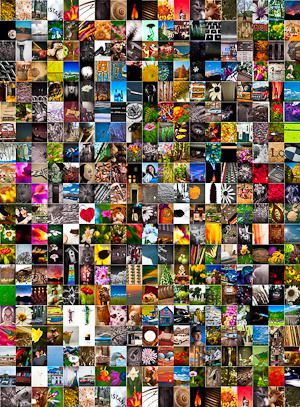 I’ve been an avid photographer for 10+ years. There have been times where I’ve fallen into a trap. A trap where I didn’t shoot because conditions weren’t perfect which often made me convince myself that I needed to be somewhere else to do so. Somewhere else that has great views, cool vistas, and the list goes on. I also fell into the “equipment” trap where I just need one more lens, or flash, or tripod, and the list goes on. Conditions will never be perfect, we’ll never have every piece of equipment we think is needed, and I learned that neither of these stand up as an excuse.
I started a journey on November 17, 2010 that helped me break out of those excuses. I was invited to participate in a photo-a-day group that required each of us to shoot one photo each day. We posted and shared our photos with each other throughout the year. If you’ve never participated in something like this it is an eye opening and somewhat stressful experience.
What I found is that I could no longer make excuses. I moved forward with an intense focus for getting the shot, being successful in spite of current conditions or the state of my equipment. I also had a personal goal of not just taking a picture, I wanted each shot to be something I could be proud of; there might be debate on whether or not I met that goal ;-) That year pushed me out of my comfort zone and caused me to grow more that year as a photographer than any other time in my life. I did not allow excuses to limit me, I just did it.
When organizations begin an agile transformation they often have a similar mindset. I hear a number of excuses why the transformation will fail – the business is not going to change, I don’t have appropriate training, we can’t co-locate teams because of expenses required to do so, we don’t have the skills necessary to write automated tests, we need better tools, and the list goes on. When approaching a transformation there must be fundamental capabilities in place and we’ll identify those needs and make sure training and coaching are provided to do so. This is similar to the need for a photographer to have an understanding of lighting, exposure, and composition. Yes, address the fundamentals but even with that, a transformation is difficult, uncomfortable, and stressful – a perfect environment for excuses.
As I experienced with the photo-a-day project, the act of doing it made each day better. Experiences I gained with every single shot made the next one easier. I built upon each day’s lessons to make the next day an improvement on the last. With an agile transformation, each day will bring new lessons and experiences that make tomorrow easier. Challenges today will become routine capabilities in the future. Tomorrow will bring greater challenges than today and by continuing to move forward you build confidence in your abilities and I bet you’ll look with surprise and delight at how far you’ve come. I was very proud of my accomplishments during my photo-a-day project and I know those challenges made me a better photographer. Not buckling in to excuses kept me moving forward. As you continue your journey don’t allow excuses to hold you back, get the shot.
Note: The photo above is a collage of all of the photos from that year. If you would like to see the whole set then click this link.
Comments (4)
Matt Block
Great advice Rick! I have fallen into this trap many times myself. You inspired me to blog about a common cause of this that I see in agile transformations and at least one solution that might get people thinking! http://www.developmentblock.com/2012/08/14/stop-talking-and-start-doing/
Robert Sfeir
I loved the post. As a photographer myself, I could totally relate. Not only is it important to follow that train of thought, but to keep trying new things as well even if you don’t take new photographs. For example, I might have a photograph I took two years ago, and felt that my adjustments and editing to it were good. Revisiting that and discovering how I might translate it differently is also important. Consider it refactoring, or a retrospective, but the end result is allowing yourself to grow and learn from your past experiences as well, and pushing past your comfort zone in trying new things.
R
Robert, great perspective on what I might call continuous improvements that may cause us to revisit what we’ve done in the past. I, like you, have revisited photographs of the past and because of improved skills or better tools I’ve been able to create something much better than I had in the past.
As you rightly point out, through improving skills, tools, and a culture of continuous improvement we continue to move the bar up and often have the opportunity to improve on work of the past.
Thanks for commenting!